Understanding U-Factor: The Superior Measure of Garage Door Thermal Efficiency
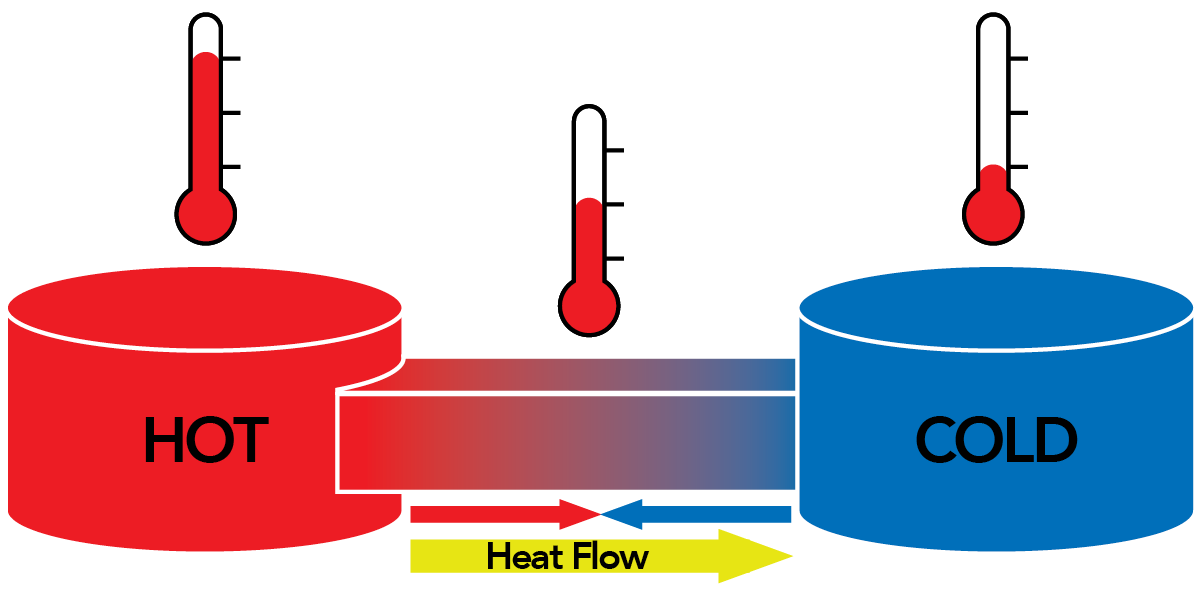
U-Factor measures the rate of heat transfer through a material or assembly, specifically from the warmer side to the colder side. In the context of garage doors, a lower U-Factor indicates better thermal performance because it signifies less energy loss from conditioned spaces. Unlike R-Value, which only considers the insulating effect through the "center" of a door section, U-Factor evaluates the performance of the entire installed assembly, including section joints. This comprehensive assessment provides a far more accurate representation of a door's thermal efficiency. It's important to note that U-Factor and R-Value are NOT inversely related because of how the R-value was calculated, and using U-factor provides a more reliable overall indication of thermal efficiency.
One of the key benefits of U-Factor is its recognition in energy efficiency standards and building codes such as IECC, IBC and IRC. Architects and other professionals in the industry rely on U-Factors to calculate building envelope energy loads accurately. Additionally, Energy Star Fenestration products prioritize U-Factor as a measure of thermal performance.
In the DASMA TPVP, all manufacturers adhere to the same testing methods outlined in ANSI/DASMA 105. This standardizes the reporting of U-Factors, enabling direct comparisons between different manufacturer’s products. Furthermore, third-party testing and validation ensure the accuracy and reliability of U-Factor measurements.
To maintain compliance with the program, participants undergo yearly monitoring of marketing materials and submit test certifications to the program administrator. Only doors listed in the program will have a U-Factor, while non-listed models may use R-Values. Participants are required to use approved labels and maintain quality control programs to ensure consistency and accuracy.
As you can see, U-Factor offers a more comprehensive and accurate assessment of garage door thermal efficiency compared to traditional R-Values, and this will be a welcome shift in the garage door industry. By understanding and prioritizing U-Factor, garage door dealers and homeowners alike, can make informed decisions to enhance energy efficiency and comfort in their homes.
For more information about U-Factor, click here.
What's New at Haas Door?