Makers Yard, St. Louis: How an Architect Used Haas Door to Bridge History and Hospitality
When Mademan Design’s Patrick Knobloch was brought on to transform a former St. Louis auto dealership into Makers Yard — a multi-tenant restaurant hub anchoring the city’s new Delmar Maker District — the building’s industrial bones provided an excellent starting point.
The challenge, however, was creating a meaningful indoor-outdoor connection across a series of large storefront openings while honoring what the building once was. Haas Door’s aluminum and glass full view sectional doors ended up playing a bigger role in solving that problem than anyone might have expected — right down to surviving an EF3 tornado with zero damage.
We asked Knobloch to walk us through the project, the product decisions and what he’d tell other architects working on similar commercial applications.
The Delmar Maker District sounds like a unique context for a restaurant project. Can you set the scene?
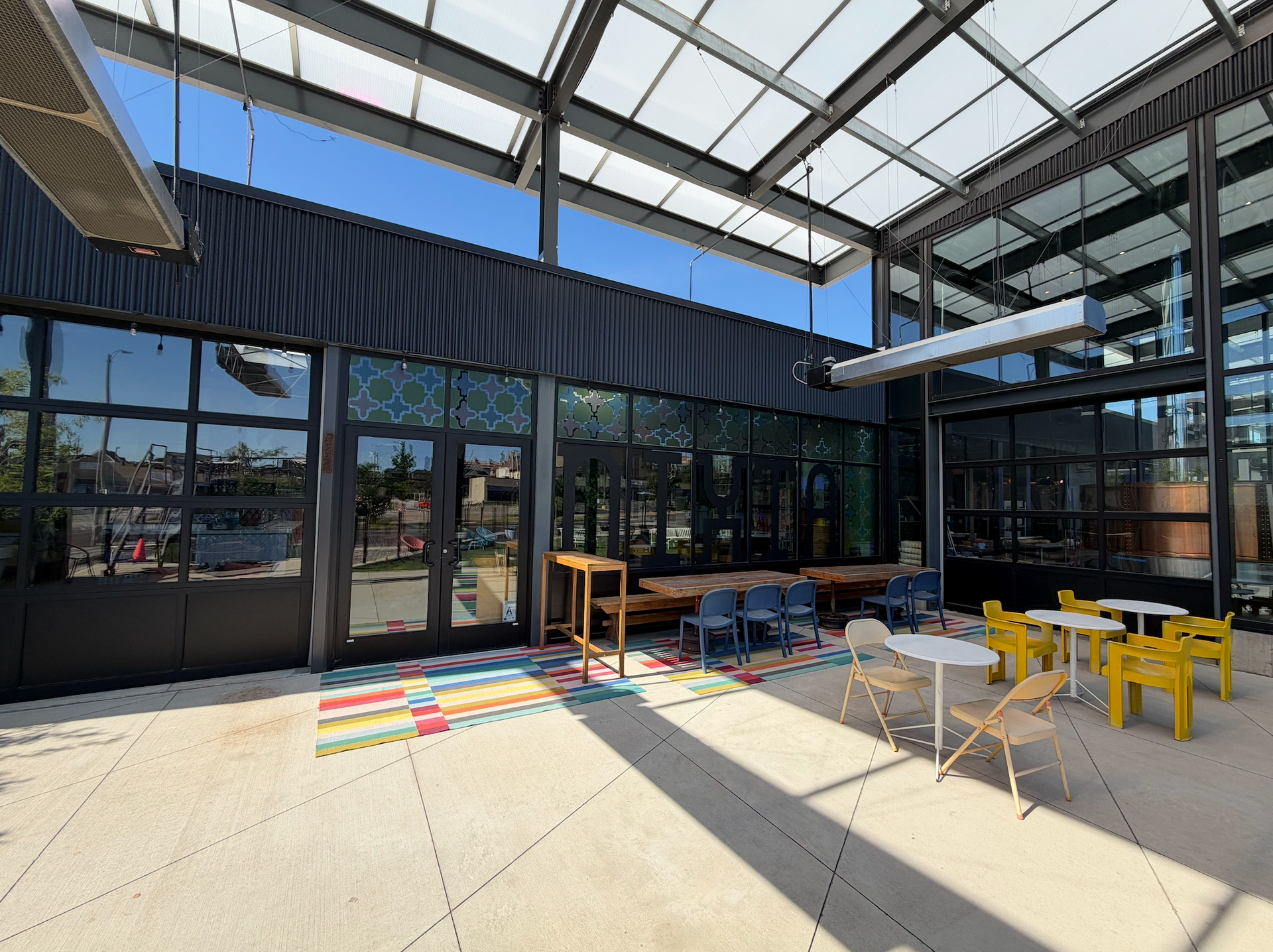
“The district consists of multiple institutions, artist studios, maker spaces, restaurants and shops all focused on hands-on creation. This specific project, Makers Yard, is a multi-tenant restaurant hub aimed at showcasing culinary craft. Formerly an auto dealership, the parking lot was reimagined as a central courtyard from which all tenant suites surround — similar to an outdoor food court. It was important to have an indoor/outdoor connection, both visual and physical, between the individual restaurants and that shared outdoor space.”
That history as a dealership is interesting. Did it influence how you approached the storefront design?
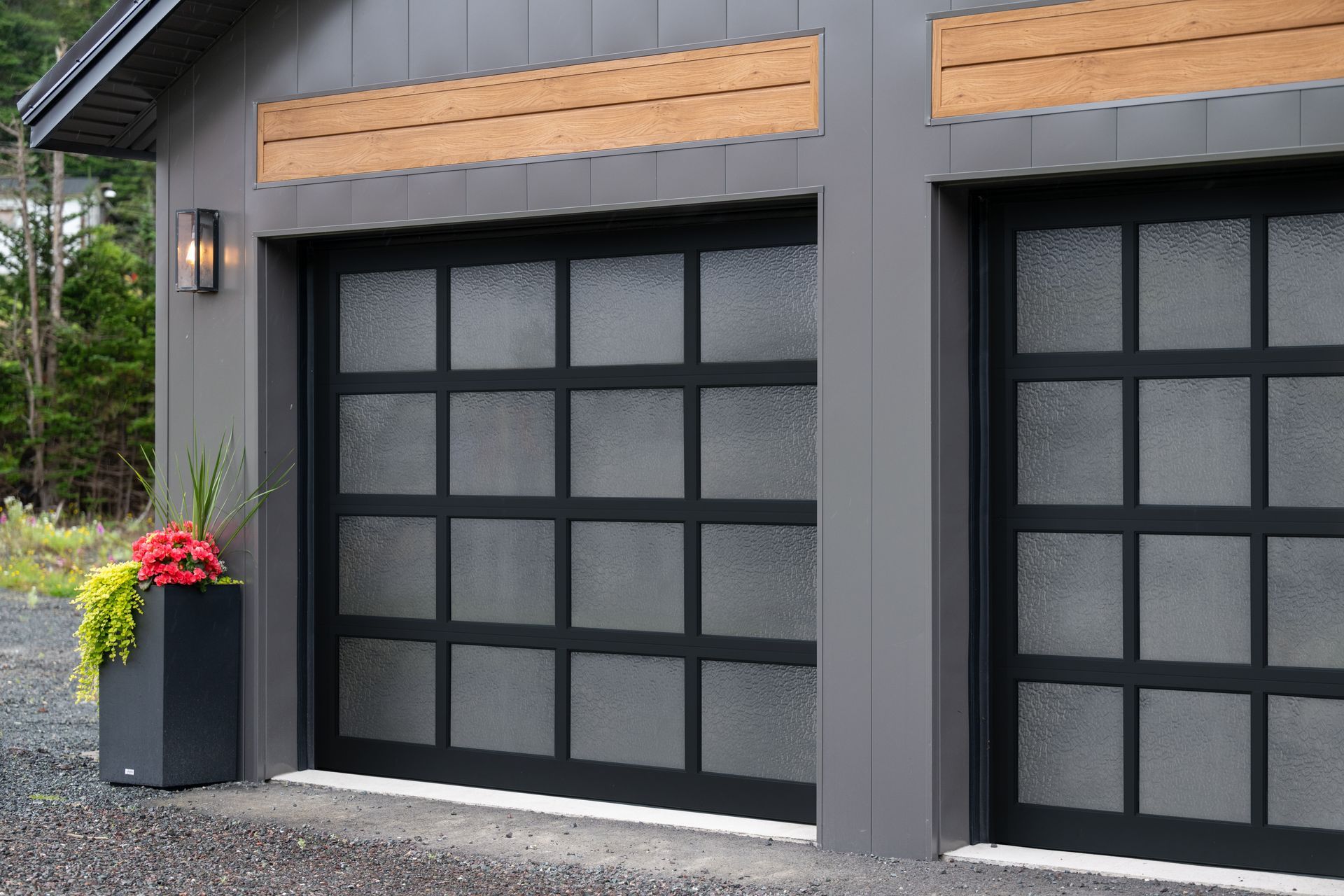
“When the developer took ownership of the property, rows of overhead doors lined either side of the building, allowing for quick entry of cars in and out. We wanted to nod to that history. The aluminum and glass sectional doors provided the perfect modern solution — meeting aesthetic vision, economy and thermal protection — to connect indoor and outdoor spaces across large openings.”
How did you integrate the Haas Door system with the rest of the storefront?
“We used both traditional aluminum storefront and the aluminum-stile glass sectional doors on the primary elevation. The storefront was necessary to integrate the required egress, and the sectional doors allowed the indoor dining spaces to spill into the courtyard. This particular door model was a good fit due to the slim stile profiles and matching aluminum finish. To achieve a uniform elevation across the two different systems, we modeled the storefront mullion spacing to align with and match the same proportions as the sectional doors. Where the two systems met, we located an exposed 4x8 HSS tube — painted black to match — to act as the jamb.”
How has the product performed since the project opened?
“The restaurant tenants love the ability to open the spaces up to the outdoors, and I’ve heard the doors are performing well thermally through the harsh winter months. Also worth noting — the area was hit with a massive EF3 tornado in May of 2025. This building was in its direct path and lost its entire roof canopy. However, the doors held up without any damage at all. Certainly a testament to their durability.”
Where do you see this type of system fitting into the broader commercial and mixed-use market?
“I could see any market taking advantage of this system. There’s certainly no shortage of products out there offering large opening solutions, but these doors are a great fit if you have the overhead space. Other systems require dedicated structural reinforcement, floor space to tuck folding panels away or intermittent jambs. This requires none of that. The door just lifts up and out of the way — and your exterior wall is gone.”
What's New at Haas Door?